
 Admin
Admin
 17/08/2026
Beehive Removal in Dubai: Why You Should Call Experts
You spot a buzzing cluster near your balcony, warehouse roofline, or garden wall, and your first instinct is to grab a broom or a can of spray. Stop right there. Bee colonies can hold thousands of bees, and disturbing one without the right training turns a manageable situation into a genuine safety emergency. At Expert Pest Control, we handle beehive removal across Dubai for homes, schools, warehouses, and commercial properties, and we've seen firsthand what happens when removal is attempted without experience.
This guide walks through why professional beehive removal in Dubai actually matters, what the process really looks like, and how you can tell when a colony needs urgent attention.
What Counts as a Beehive Infestation?
A beehive infestation is basically when a bee colony sets up a nest on or near your property, often somewhere like wall cavities, rooflines, trees, or utility boxes. Bees go for these spots because they're sheltered, warm, and close to water, which honestly describes a lot of Dubai properties, especially ones with gardens or irrigation nearby.
A single hive can hold anywhere from 20,000 to 60,000 bees once it's at peak size. That's not a minor pest issue by any stretch. It's a colony that can defend itself pretty aggressively if it senses a threat, and that's exactly why removing a beehive properly calls for the right protective gear and real training.
Why Is DIY Beehive Removal Dangerous?
Trying to remove a beehive yourself puts you at real risk of getting stung multiple times, dealing with an allergic reaction, or even causing damage to your property. When bees get disturbed, they release alarm pheromones, and that's the signal for the rest of the colony to attack together, not just the one bee that felt threatened in the first place.
Here's what typically goes wrong with DIY attempts to remove bee hives:
• Sprays kill visible bees but leave the queen and hive intact
• Disturbed colonies relocate deeper into walls or roofs, making removal harder
• Homeowners without protective gear suffer multiple stings within seconds
• Improper removal leaves honeycomb behind, attracting future infestations
• Structural damage occurs when people try to physically break open hive locations
About 5 to 7.5% of people face a risk of severe allergic reaction from insect stings, and multiple stings raise that risk significantly. That's not a gamble worth taking on your own roofline or balcony.
How Do Professionals Safely Remove Beehives?
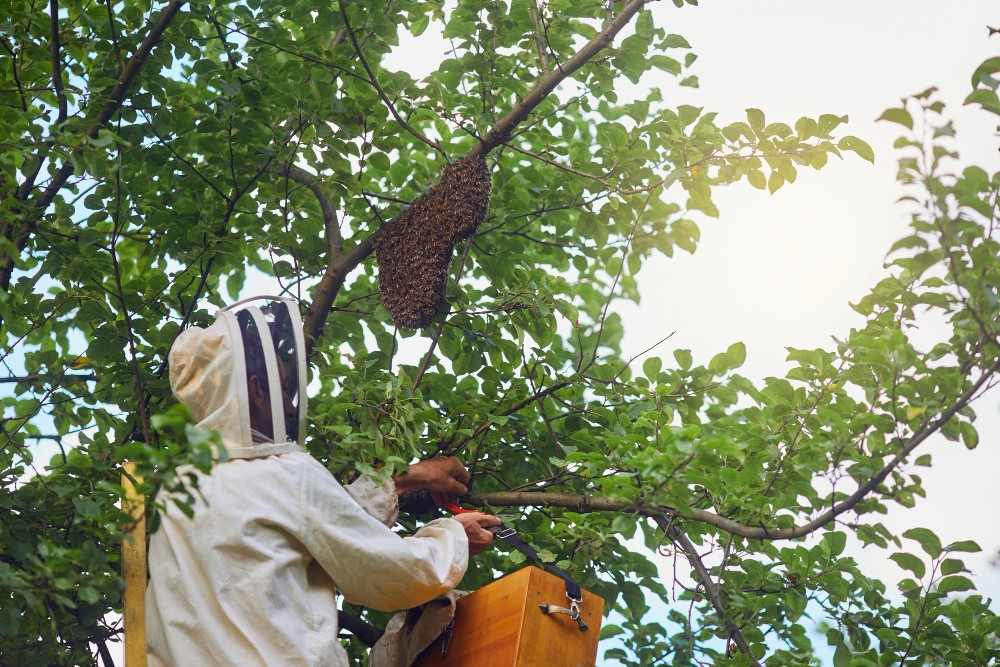
Professional bee removal follows a structured process that protects both people and the bee colony wherever possible. Licensed pest control technicians assess the hive location, use protective equipment, and choose a bee hive removal method suited to the colony's size and position on your property.
| Step | What Happens | Why It Matters |
|---|---|---|
| Inspection | Technician locates hive and assesses size | Determines safest removal approach |
| Protective setup | Suits, smoke tools, and equipment prepared | Prevents stings during removal |
| Colony removal | Bees and hive safely extracted or relocated | Stops the colony from rebuilding |
| Cleanup | Leftover honeycomb and wax removed | Prevents future infestations |
| Sealing | Entry points closed off | Blocks new colonies from forming |
Safe beehive removal usually leans toward relocation rather than extermination, since bees are so important for pollination. Whenever the hive's location and the colony's health allow for it, we prioritize relocating the bees, balancing your property's safety with doing right by the environment.
When Should You Call for Emergency Bee Removal?
Call right away if bees are nesting near entrances, high traffic areas, or anywhere kids and employees are regularly walking through. A colony near a doorway, playground, or loading dock is an immediate risk, and even waiting a few days gives the hive time to grow bigger and get harder to remove safely.
Warehouses and commercial properties deal with an added layer of urgency too, since bee activity near storage areas can get in the way of operations and open the door to liability issues. Schools and childcare facilities should treat any bee sighting near an entrance as urgent, given how fast kids can wander into range without realizing there's danger there.
What Should Homeowners and Businesses Do Before Help Arrives?
Before anyone shows up, keep people and pets clear of the area, and steer clear of sprays, water, or loud noises anywhere near the hive. Disturbing bees before a technician gets there raises the odds of stings and can make the whole colony defensive over a much wider area than before.
Go ahead and close nearby windows and doors, and mark off the area if other people tend to use that space. Try not to stand near the hive even just to snap a photo, since vibrations and movement alone can be enough to set off a defensive response from a large colony.
Key Takeaways on Professional Beehive Removal
| Situation | Recommended Action |
|---|---|
| Small hive, low-traffic area | Schedule inspection soon |
| Hive near entrance or walkway | Request urgent removal |
| Commercial property, hive near operations | Book emergency service |
| School or childcare facility | Treat as immediate priority |
| DIY removal attempted, bees still present | Call professionals right away |
Let Us Handle the Hive Safely
Bee colonies need to be handled carefully, and the same goes for your safety while it happens. Our technicians bring the training, equipment, and hands-on experience it takes to remove beehives without putting your family, employees, or property at risk. Reach out to Expert Pest Control for safe, licensed beehive removal across Dubai, whether you're dealing with a small hive on a balcony or a larger commercial infestation.
← Back to Blog

